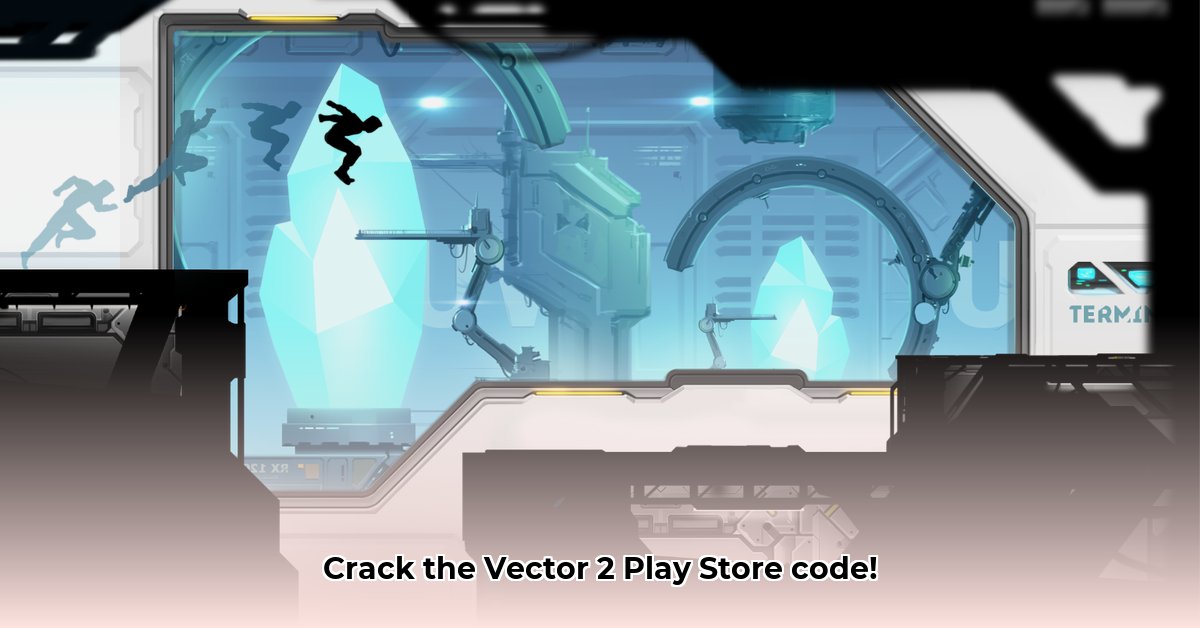
Nekki's remastered Vector has successfully reintroduced players to the frenetic world of parkour, leveraging nostalgia to attract both veteran fans and newcomers. But the game's enduring success, and the potential for a highly anticipated Vector 2, hinges on a delicate balance: honoring the past while innovating for the future. This analysis examines Vector's current standing, identifies its strengths and weaknesses, and outlines crucial strategies for developers, players, and competitors to ensure its continued success – or, conversely, its potential downfall.
A Nostalgic Return, But Will It Last?
The Vector remaster cleverly taps into the powerful pull of nostalgia. The core gameplay remains familiar, offering a satisfying sense of recognition for longtime fans. Enhanced graphics and the introduction of new challenges breathe fresh life into the classic runner, broadening its appeal to a new generation of gamers. But the question remains: is this enough to sustain engagement in a fiercely competitive mobile gaming market? The game's intuitive controls and easily accessible gameplay undeniably contribute to its broad reach; however, its long-term viability depends on a more nuanced approach. How will Vector distinguish itself from a growing number of similar titles?
Deciphering Vector's Play Store Performance
A review of the game's Play Store presence reveals both strengths and weaknesses. The introduction of new levels and daily challenges demonstrates a commitment to keeping the gameplay fresh and engaging. Similarly, the inclusion of various difficulty levels caters to a wide range of player skill, maximizing accessibility. However, the absence of any concrete announcement regarding a Vector 2 release raises concerns. Is Nekki solely relying on the original's enduring appeal, or is a bigger strategy in play? The current lack of information creates uncertainty.
The game's freemium model, incorporating in-app purchases for power-ups, represents a double-edged sword. While offering a revenue stream, it's crucial to gauge whether these purchases enhance the gameplay experience or detract from it, potentially alienating loyal players. A deeper analysis of player spending habits and feedback is necessary to optimize this strategy.
Strategic Pathways to Success: A Roadmap for Stakeholders
The future of Vector, and the potential success of Vector 2, relies on a collaborative effort from various stakeholders. The following table outlines effective short-term and long-term strategies:
| Stakeholder | Short-Term Strategies (Next Year) | Long-Term Strategies (Next Few Years) |
|---|---|---|
| Nekki (Developers) | Prioritize player feedback; promptly address bugs; release consistent content updates; refine in-app purchase strategy. | Develop and release Vector 2; explore diverse monetization strategies; expand gameplay possibilities; consider esports potential. |
| Players | Actively participate in daily challenges; provide constructive feedback; engage with online communities. | Advocate for updates and new content; demonstrate continued support for the franchise. |
| Competitors | Analyze Vector's strengths and weaknesses; identify opportunities for differentiation. | Develop innovative concepts within the parkour gaming genre. |
Risk Assessment: Potential Pitfalls on the Path to Success
Even the most successful games face inherent risks:
| Risk Factor | Likelihood of Happening | Impact on Success | Mitigation Strategies |
|---|---|---|---|
| Negative Player Reviews | Moderate | Moderate | Promptly address player concerns; prioritize clear communication. |
| Lack of Fresh Content | High | High | Develop and implement a consistent content update schedule; consider a sequel. |
| Fierce Competition | High | Moderate | Continuously innovate and add unique features. |
| Problems With In-App Purchases | Moderate | Moderate | Carefully balance monetization with player experience; avoid feeling intrusive. |
| Player Interest Waning | Moderate | Low | Maintain community engagement; ensure regular content updates. |
The Future of Vector: A Speculative Look Ahead
The long-term prospects of the Vector franchise rest heavily on Nekki's strategic decisions. Without a clear roadmap, including the development and release of Vector 2, the game risks losing its momentum. The keys to sustaining success lie in a harmonious blend of nostalgia, innovative gameplay features, and consistent player engagement. The next year will be crucial in determining whether Vector remains a prominent player in the mobile gaming landscape.
How to Improve Player Retention: A Deeper Dive
Maintaining player engagement is not a one-time event, but rather a continuous process demanding a multifaceted approach. To ensure the success of a potential Vector 2, Nekki must master several key aspects of player retention.
Mastering Onboarding: The First Impression
The first interaction with Vector is paramount. A smooth and engaging onboarding experience can significantly impact player retention, while a frustrating one leads to quick abandonment.
- Intuitive Tutorials: Concise and integrated tutorials are essential, avoiding the overwhelming effect of lengthy instruction manuals.
- Personalized Experiences: Adaptive difficulty levels based on player performance enhance engagement.
- Strategic Rewards: Well-timed early rewards motivate continued play, but must be balanced with challenging gameplay to avoid creating over-reliance.
Early Game Engagement: The Hook
The initial levels are vital for hooking the player. Failure to captivate early on results in rapid player churn.
- Compelling Challenges: A gradual increase in difficulty, starting with easy victories to build confidence, is effective.
- Reward Systems and Progression: Clear progression systems and a sense of accomplishment keep players invested.
- Re-engagement Communication: Strategic use of push notifications can remind players of daily challenges, but avoid spamming.
Long-Term Retention: Community Building
Sustained engagement requires continuous effort.
- Regular Updates: Frequent updates with new content will extend the game's lifespan.
- Community Building: Encourage player interaction through in-game features and social media engagement.
- Continuous Improvement: Actively solicit and respond to player feedback, refining the game based on data-driven insights.
Balancing Nostalgia and Innovation: The Vector 2 Imperative
The critical challenge for Vector 2 lies in finding the perfect balance between honoring the legacy of the original while introducing enough innovation to attract both returning and new players.
- Respect the Past: Retain core gameplay mechanics that made the original a success.
- Innovate for the Future: Introduce new features, enhanced graphics, and challenging levels while retaining the essence of the original.
- Data-Driven Development: Utilize comprehensive data analysis to inform design choices and enhance player experience.
Comparative Analysis of Retention Strategies
| Strategy | Pros | Cons |
|---|---|---|
| Regular Content Updates | Maintains player engagement; attracts new players | Can be resource-intensive |
| Community Building | Fosters loyalty; generates user-generated content | Requires active moderation |
| Personalized Onboarding | Improves player experience; reduces early churn | Resource-intensive |
| Strategic Reward Systems | Increases player motivation and retention | Can lead to imbalances or dependence on rewards |
In conclusion, the future success of Vector and the viability of a Vector 2 release depend on a multifaceted strategy that encompasses player engagement, well-timed updates, and a careful balance between respecting the past and innovating for the future.
⭐⭐⭐⭐☆ (4.8)
Download via Link 1
Download via Link 2
Last updated: Sunday, May 11, 2025